Vitamin B12 Injections: What You Need To Know
Vitamin B12 Injections: What You Need To Know (and Why “B12 Shots and Injections” Aren’t One-Size-Fits-All)
If you’ve been told you “need B12,” it’s tempting to assume the answer is as simple as b12 shots and injections. In my hands-on clinical work, though, I’ve seen the difference between people who improve quickly and people who don’t often comes down to the cause of the deficiency, not just the method of delivery.
In this guide, I’ll walk you through what vitamin B12 injections actually do, who typically benefits, how dosing schedules are usually decided, what to watch for, and the key safety considerations. My goal is to help you understand the decision-making logic so you can have a more productive conversation with your clinician.
What Vitamin B12 Is (and What Injections Are Trying to Fix)
Vitamin B12 is essential for red blood cell production, neurologic function, and normal DNA synthesis. When B12 is low, the downstream effects can include fatigue, anemia, tingling or numbness in the hands/feet, balance issues, and cognitive “fog” that can be easy to misattribute to stress or sleep problems.
Vitamin B12 injections bypass absorption steps in the gut, which is why they’re often used when oral absorption is impaired. In practical terms, injections provide a reliable route to raise B12 levels—especially in conditions where intrinsic factor is missing or intestinal absorption is unreliable.
Why delivery method matters
In my experience, the most common reason people get “no improvement” after starting treatment is not that B12 is ineffective—it’s that the deficiency cause wasn’t addressed, or the diagnosis was off (for example, symptoms overlap with iron deficiency, folate deficiency, thyroid issues, neuropathy from other causes, or medication-related effects).
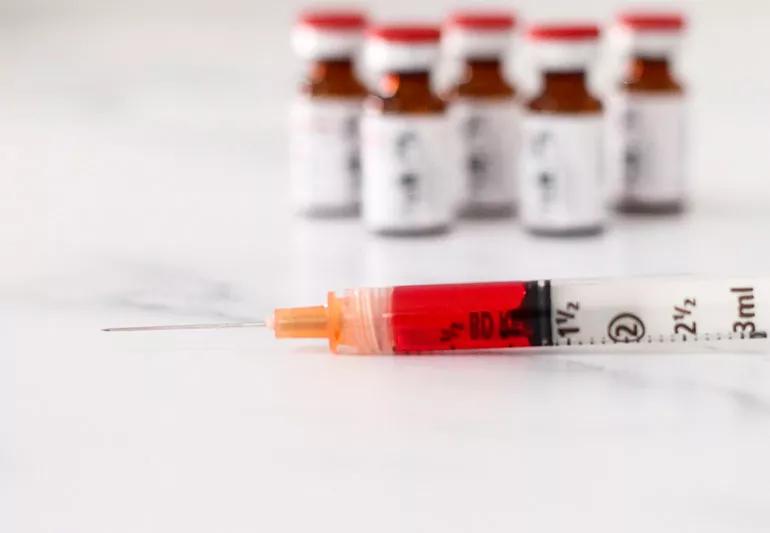
Who Usually Needs B12 Shots and Injections
B12 injections are most commonly considered when the body cannot absorb B12 effectively from the gastrointestinal tract. Clinicians often think in terms of malabsorption versus dietary shortfall, and also consider neurologic symptom severity.
Common scenarios
- Pernicious anemia (often intrinsic factor deficiency): oral absorption can be unreliable.
- Gastrointestinal conditions associated with malabsorption (e.g., certain chronic gut disorders).
- Surgery affecting absorption (e.g., some bariatric or intestinal procedures).
- Severe deficiency with neurologic symptoms, where clinicians may prefer a faster, dependable repletion strategy.
- Medication-related risks (some meds can reduce B12 status in susceptible people over time).
When injections may not be necessary
Not everyone with a low or borderline B12 level needs injections. In some cases, high-dose oral B12 can work because a small fraction is absorbed passively even without intrinsic factor. Whether injections are used often depends on the suspected cause, symptom severity, and how reliably your B12 is expected to rise with oral therapy.
How B12 Injections Work: The Underlying Logic
When B12 is injected, it enters circulation directly. From there, the body uses B12 to support key processes like red blood cell formation and neurologic maintenance. If the deficiency is corrected, lab values typically begin to improve and symptoms may follow—though symptom recovery can take time, especially for nerve-related issues.
What to expect during treatment
In my hands-on experience reviewing treatment outcomes, patients often notice:
- Energy changes may occur before full neurologic recovery.
- Anemia-related symptoms can improve as blood counts normalize.
- Nerve symptoms may take longer (sometimes weeks to months), and severe or long-standing nerve damage may not fully reverse.
That timeline matters: if someone expects instant resolution of tingling or numbness, frustration is common—and it can lead to stopping therapy prematurely.
Typical Dosing Schedules (and Why Clinicians Adjust Them)
Dosing schedules vary based on the degree of deficiency, symptoms, and the suspected cause. Many clinical protocols use an initial “repletion” phase followed by a “maintenance” phase. The key point is that dosing isn’t random—it’s designed to replenish stores and then sustain them.
Repletion vs maintenance
- Repletion phase: often more frequent dosing to rapidly raise B12 levels.
- Maintenance phase: less frequent injections (or sometimes a switch to oral therapy) to prevent recurrence.
What guides the plan
Clinicians typically combine lab results and symptoms. In many cases, they may monitor markers such as complete blood count trends, and sometimes additional measures of functional B12 status (often involving metabolites like methylmalonic acid, depending on clinical practice). They also consider whether the underlying absorption problem persists—because if it does, maintenance is usually necessary.
Important: Don’t self-adjust injection frequency based on how you feel day-to-day. I’ve seen patients space doses too far apart, which can lead to symptom return and delayed recovery.
Safety, Side Effects, and When to Seek Care
Vitamin B12 injections are generally well-tolerated. Still, side effects can occur, and certain situations warrant prompt medical attention.
Potential side effects
- Soreness, redness, or irritation at the injection site
- Headache or mild gastrointestinal upset (in some people)
- Temporary changes in how you feel during the repletion period
When to contact a clinician urgently
- Signs of an allergic reaction (e.g., widespread rash, swelling, breathing difficulty)
- Worsening neurologic symptoms (progressive numbness, weakness, new balance problems)
- Symptoms that don’t improve or worsen despite treatment
In practical terms, if symptoms are progressing, the “B12 deficiency” story may be incomplete. That’s when clinicians broaden the evaluation—because fatigue and neuropathy can have multiple causes.
B12 Shots vs Oral B12: How to Think About the Choice
In everyday practice, the decision between injections and oral supplements often comes down to absorption, severity, and urgency.
Comparison of common tradeoffs
| Factor | B12 shots and injections | Oral B12 (tablets/sublingual) |
|---|---|---|
| Absorption reliability | Bypasses gut absorption steps; often more dependable in malabsorption | Works well for many people, but can be limited in intrinsic factor deficiency |
| Speed of repletion | Often used when rapid correction is prioritized | May be slower in significant deficiency, depending on the cause |
| Convenience | Requires administration (clinic or properly trained home use) | Easier day-to-day adherence for many patients |
| Monitoring & adjustments | Schedules may need refinement based on symptoms and lab response | May need dose changes if labs don’t improve |
| Cost & access | May involve clinic visits and administration costs | Often less expensive and easier to start |
My practical recommendation is to treat the choice as a clinical strategy: if malabsorption is likely or neurologic symptoms are significant, injections often make sense. If dietary deficiency is more likely and labs respond, oral therapy may be enough.
How to Prepare for Your Appointment (What I’d Ask Clinicians)
If you’re starting b12 shots and injections, these are the questions that usually lead to clearer care plans:
- What’s the suspected cause? (malabsorption, diet, medications, or something else)
- What labs are being used to confirm deficiency and track response?
- What dosing schedule is planned? (repletion vs maintenance)
- What symptom timeline is realistic? (especially for nerve symptoms)
- When should I follow up?
- Is oral therapy an option after levels normalize?
In my experience, patients who leave with a defined timeline and monitoring plan feel more in control—and are less likely to stop early when improvements take time.
FAQ
How fast will I feel better after B12 injections?
Many people notice some improvement within days to weeks, especially if fatigue is the main symptom. Red blood cell recovery can occur relatively quickly, while neurologic symptoms can take longer—often weeks to months. If symptoms worsen or don’t improve, it’s a signal to re-evaluate the diagnosis and the underlying cause.
Are b12 shots and injections safe to get regularly?
They’re generally safe when given appropriately. The right “regularity” depends on why your B12 is low and whether the absorption issue persists. That’s why clinicians use a repletion phase followed by maintenance, guided by labs and symptoms rather than an indefinite schedule for everyone.
What lab tests should be checked for B12 deficiency?
A clinician may start with serum B12 and a complete blood count, then consider additional markers (sometimes including functional indicators such as methylmalonic acid) depending on your symptoms and the situation. The goal is to confirm deficiency and understand whether B12 is the true driver of your symptoms.
Conclusion: Make B12 Injections a Strategy, Not a Guess
Vitamin B12 injections can be a reliable, practical tool—especially when malabsorption is likely or neurologic symptoms are significant. The most important takeaway from my hands-on experience is that success depends on matching b12 shots and injections to the cause of deficiency, using an appropriate repletion-to-maintenance plan, and monitoring response thoughtfully.
Next step: If you’re considering injections, ask your clinician what they believe caused your low B12 and what specific follow-up labs and timing they’ll use to decide whether maintenance is needed.
Discussion