Is Bpc 157 A Controlled Substance Christopher Mendias, PhD, gets four or five patient questions daily about peptides at his sports medicine practice in Phoenix, Arizona. BPC-157 is the most popular. That's because thousands of people are buying “
Is BPC-157 a Controlled Substance? What Patients Ask (and What I Tell Them)
In my sports medicine practice in Phoenix, Arizona, I get four or five patient questions daily about peptides—especially BPC-157. One of the most common is, “is bpc 157 a controlled substance?” The answer matters because “not controlled” in one context doesn’t always mean “okay for everyone,” and the way products are marketed (research-only vs. therapeutic claims) can change how regulators treat them.
This article breaks down what “controlled substance” typically means, why BPC-157 can be confusing for patients, and how to think about safety, legality, and sourcing in a practical, real-world way.
What “Controlled Substance” Usually Means (and Why Patients Get Confused)
When people ask whether something is a controlled substance, they usually mean one of these:
- Criminal/legal control: whether the compound is scheduled (or otherwise regulated) such that possession, sale, or distribution is restricted.
- Prescription-only control: whether it’s generally available only by prescription in your jurisdiction.
- Regulatory enforcement: whether product marketing or distribution triggers FDA/other regulator action—even if it’s not “scheduled” like common drugs.
In practice, many peptides fall into a gray area for patients because they are sold through different channels (online vendors, “research use only” listings, compounding, or supplement-style marketplaces). Even if a specific ingredient isn’t scheduled, the overall product could still be regulated based on labeling, claims, or manufacturing quality.
Is BPC-157 a Controlled Substance?
Here’s the most useful way to frame it: “controlled substance” status is jurisdiction- and rule-specific. Some substances are formally scheduled; others are regulated through different legal mechanisms (like drug approval rules, misbranding, or enforcement against unlawful distribution). That’s why one person might tell you “it’s not controlled,” while another points to enforcement actions against products that make unapproved therapeutic claims.
In my hands-on counseling, I avoid giving patients a simplistic yes/no without the exact location and legal basis. What I can say consistently is this: you should treat BPC-157 purchases as potentially regulated, and you should assume legality depends on how the product is sold and where the patient lives.
What I Look For in Real Consultations
When patients bring BPC-157 questions into clinic, I ask about:
- Where it was purchased (country/state and vendor type)
- How it was marketed (research-only vs. treatment claims)
- What the label says (ingredient, concentration, and intended use language)
- Whether they have documentation like Certificates of Analysis (CoA) from a third-party lab
This isn’t about scaring people—it’s about preventing avoidable harm. In my experience, the “controlled substance” question is often a proxy for a deeper issue: is what you’re getting actually what you think you’re getting, and is it legal to possess in your area?
Why People Buy BPC-157 (and What’s Important to Know Clinically)
Patients often come in looking for options related to tissue healing, tendon/ligament recovery, and musculoskeletal pain. I understand the motivation: when you’re rehabbing an injury, waiting weeks for normal recovery can feel like forever.
At the same time, the clinical reality is that patient demand can outpace robust, high-quality evidence for specific outcomes and dosing strategies. I focus on two practical points:
1) Outcomes vary, and dosing protocols aren’t standardized
Because BPC-157 is frequently sold outside typical approved-drug pathways, patients may encounter inconsistent dosing regimens, concentrations, and administration methods. In real-world practice, that variability can make it difficult to interpret results—even when someone feels better.
2) Product quality is a major determinant of risk
Even if a compound is technically not “scheduled” where someone lives, contamination, mislabeling, and inconsistent purity can create health risks. I’ve seen patients spend money on multiple sources because effects didn’t match expectations—what they actually needed was a consistent, verifiable product and a supervised safety plan.
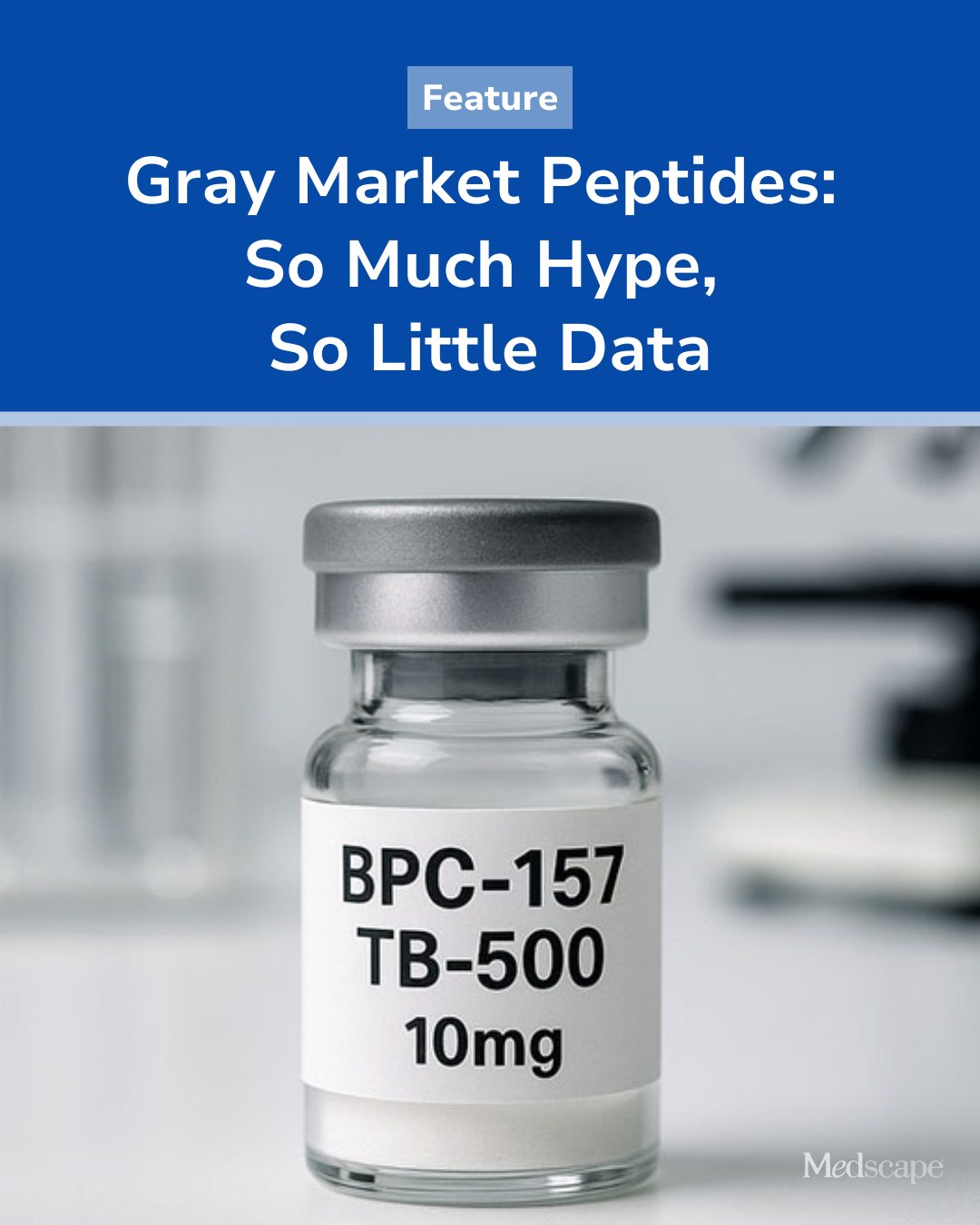
Product image example:
How to Think About Legality and Safety Without Guessing
If your goal is to answer “is bpc 157 a controlled substance” in a way that helps you make a decision, use this checklist approach. It keeps you grounded in facts rather than marketing claims.
Step 1: Determine the jurisdiction and the legal category
- Ask: Is it scheduled (controlled substance rules)?
- Also ask: Is it regulated as an unapproved drug or misbranded product based on labeling/claims?
Step 2: Evaluate the product, not just the ingredient name
- Look for third-party testing and CoAs.
- Confirm ingredient identity and concentration.
- Be cautious with vendors that avoid transparency.
Step 3: Use a clinician-led safety plan
Even when patients are convinced a peptide “works,” I treat it like any other medical intervention: we review your medical history, current medications, injury timeline, and goals. That helps avoid common safety blind spots—especially when people combine multiple products or start/stop without tracking symptoms.
Pros and Cons Patients Should Weigh
| Consideration | Potential Upside | Potential Downside |
|---|---|---|
| Legality/scheduling | May not be formally scheduled in some contexts | Legality can still vary; enforcement may depend on marketing and jurisdiction |
| Product availability | Frequently easy to find online | Quality and labeling consistency can be unpredictable |
| Clinical expectations | Some patients report symptom improvements | Evidence may be limited; outcomes can vary and dosing isn’t standardized |
FAQ
Is BPC-157 always considered a controlled substance?
No. “Controlled substance” status depends on the specific jurisdiction and the legal framework (scheduled control vs. other regulatory enforcement). The most reliable approach is to check the rules that apply where you live and how the product is sold (labeling and claims matter).
If it isn’t controlled, is it automatically safe?
Not necessarily. Safety depends on product quality, dosing, purity, and how it’s administered—not just scheduling. In clinic, I also consider medical history and interactions with other treatments.
What’s the most practical next step if I’m considering BPC-157?
Bring the exact product details (vendor, label, and any third-party test results/CoA) to a qualified clinician in your area, and discuss your injury timeline, goals, and a risk-focused plan.
Conclusion: Make the Question Specific, Then Make a Safer Choice
When patients ask “is bpc 157 a controlled substance,” the real issue is usually how it’s regulated and what risks come with buying and using it. In my hands-on work, the most actionable path is to avoid one-size-fits-all assumptions: focus on jurisdiction and product labeling, verify quality when possible, and build a clinician-led safety plan rather than relying on marketing.
Next step: If you’re considering BPC-157, gather the product label and any CoA documentation, then review the legality and safety implications with a licensed clinician in your area before starting anything.
Discussion