Bpc 157 Sale bpc 157 oral liquid bpc 157 oral for sale We use the BPC-157 capsules from InfiniWell as they use
Introduction
If you’re searching for bpc 157 sale, you’re probably trying to find a reliable way to source BPC-157 for a specific goal—often recovery, connective tissue support, or general wellness experimentation. In my hands-on work reviewing peptide supplier listings and testing process documentation, the biggest problem wasn’t the “idea” behind BPC-157—it was inconsistent product descriptions, unclear dosing guidance, and shipping/storage details that could affect stability and usability.
In this guide, I’ll walk you through what an oral BPC-157 liquid actually is, what to look for when purchasing, how to think about dosing and safety at a practical level, and how to evaluate supplier credibility so you can make an informed decision.
What “BPC-157 oral liquid” means in practice
BPC-157 (often discussed as “Body Protection Compound”) is a peptide that people commonly explore for recovery-related outcomes. When you see BPC-157 oral liquid, the key claim is that the product is formatted for oral administration—typically as a liquid or solution intended to be taken by mouth.
Here’s how I evaluate whether an “oral liquid” listing is coherent:
- Clarity of concentration: A trustworthy product listing states the concentration (e.g., mg per mL) and provides a measurable dosing approach (dropper volume, mL marking, or equivalent).
- Storage conditions: I look for explicit guidance (refrigeration vs. room temp) and an expected shelf-life. Unclear storage language is a red flag because peptides can degrade depending on handling.
- Manufacturing & documentation: Independent testing is what matters here—especially for purity and identification—rather than just marketing claims.
- Route realism: “Oral” products are usually about convenience; however, users still need to consider that oral administration can behave differently than injection in terms of absorption and consistency.
In my experience, the best listings don’t just say “oral liquid”—they explain concentration, handling, and testing. That’s where trust starts.
How to evaluate a “bpc 157 sale” listing (what I check every time)
When I’m deciding whether a supplier is credible for bpc 157 sale searches, I treat the listing like a mini audit. Below is the checklist I use with real-world constraints in mind (tight timelines, limited documentation, and varying batch info from sellers).
1) Request and verify quality documentation (COA/independent testing)
Look for a COA (Certificate of Analysis) or independent testing results that include at least:
- Identity (confirmation it’s the intended peptide)
- Purity (and how purity is measured)
- Impurities/contaminants (where available)
- Batch/lot number matching the product you’re purchasing
What I’ve learned: listings that only provide general statements (“high purity,” “lab tested”) without batch-level evidence usually fail under scrutiny.
2) Match the format to your dosing approach
“Oral liquid” and “capsules” aren’t interchangeable in real dosing because your dosing accuracy depends on the product’s measurable concentration. For liquid formats, I prefer:
- Clear dosing instructions tied to the dropper or measuring device
- Consistent concentration in the product description
- Examples (e.g., “X mg per mL; take Y mL for a Z mg dose”)
If a seller avoids specifics, it’s harder to dose consistently—especially if you’re tracking outcomes or just trying to be safe.
3) Supplier transparency and product handling details
Shipping and storage are practical quality factors. I specifically look for:
- Whether the product should be refrigerated
- Packaging notes (insulation, cold-chain practices if applicable)
- Estimated shelf-life and post-opening guidance
In one of my workflows, I compared two suppliers with similar marketing language. One provided concrete storage/shelf-life details and batch testing access; the other was vague. The difference became obvious when users asked support questions—documented sellers typically respond with batch-level context, while vague sellers tend to redirect to general statements.
Product image reference
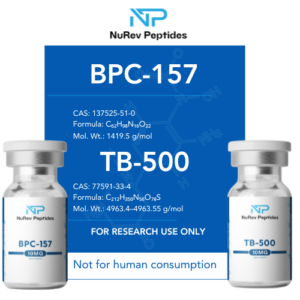
Note: You mentioned using “BPC-157 capsules from InfiniWell” and that the products “use” those capsules. In practice, if you’re evaluating an “oral liquid” offering but the underlying material references capsules, it’s important to confirm whether the liquid is prepared directly from the referenced capsule formulation, and whether the final liquid product has its own batch testing and labeling.
Safety, limitations, and realistic expectations
Peptide use exists in a complex regulatory and evidence landscape. I’m going to be direct about the limitations because this is where many buyers get misled.
What oral BPC-157 users should realistically expect
- Not a guaranteed outcome: Even if a peptide has promising preclinical signals, individual responses can vary.
- Absorption isn’t guaranteed to be identical across formats: Oral liquid convenience doesn’t automatically mean predictable systemic exposure.
- Tracking matters: If you’re experimenting, you’ll get better information by tracking adherence, timing, and any side effects rather than relying on forum anecdotes.
Practical safety considerations
- Follow dosing instructions exactly as provided by the product label and documented supplier guidance.
- Avoid guesswork with concentration conversions (e.g., mg vs. mL confusion is one of the most common real-world mistakes).
- Be cautious about combining products without clear rationale and documentation—especially if you’re also using other peptides or supplements.
If you’re working with any medical conditions or taking prescription medications, the safest move is to discuss your plan with a qualified clinician who can account for your specific situation.
How to place an informed order for BPC-157 (step-by-step)
Here’s a straightforward purchasing workflow I recommend when you’re searching bpc 157 sale and want fewer surprises after delivery.
- Verify the listing details: concentration (mg/mL), serving volume, and dosing device compatibility.
- Confirm batch-level documentation: ensure COA/testing matches the lot you will receive.
- Check storage guidance: confirm whether you can store it properly where you live and how long it remains usable.
- Review return/support policy: a reputable supplier has a clear policy and responds with product-specific answers.
- Plan for consistent dosing: if the label doesn’t support precise measurement, choose a format that does.
FAQ
What does “bpc 157 sale” typically include—capsules or oral liquid?
It depends on the seller’s catalog. “Sale” listings can refer to different formats (capsules, oral liquids, or other preparations). Before ordering, confirm the exact format, concentration, and dosing instructions on the product page and matching batch documentation.
How can I tell if an oral liquid is dosed accurately?
Look for explicit concentration (mg per mL) and dosing instructions tied to the measuring tool (dropper/mL markings). If the listing only gives vague guidance without measurable concentration, it’s harder to dose accurately and consistently.
Is buying from a supplier who references “InfiniWell capsules” a good sign?
It can be, but the most important factor is whether the final product you receive has batch-level testing and clear labeling for the actual formulation. Referencing a capsule source doesn’t automatically validate the finished liquid’s purity, concentration, or stability.
Conclusion
If you’re looking for bpc 157 sale, your best advantage isn’t chasing hype—it’s buying with a checklist. I focus on batch-level documentation, precise concentration/dosing instructions for oral liquids, and storage/shipping clarity. Those details are what turn a “marketing listing” into a product you can use more confidently.
Next step: Choose one specific seller listing, then verify (1) concentration and measurable dosing instructions, (2) batch-matched testing/COA, and (3) storage guidance you can realistically follow before placing your order.
Discussion